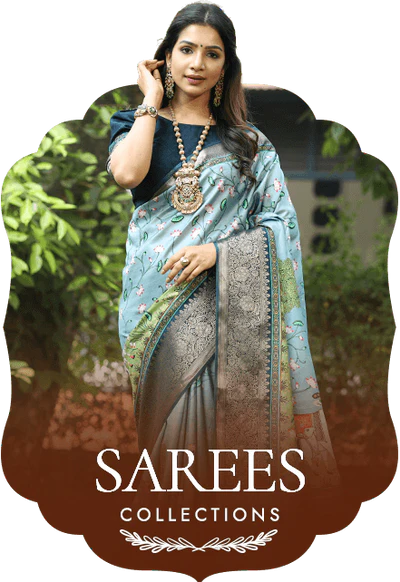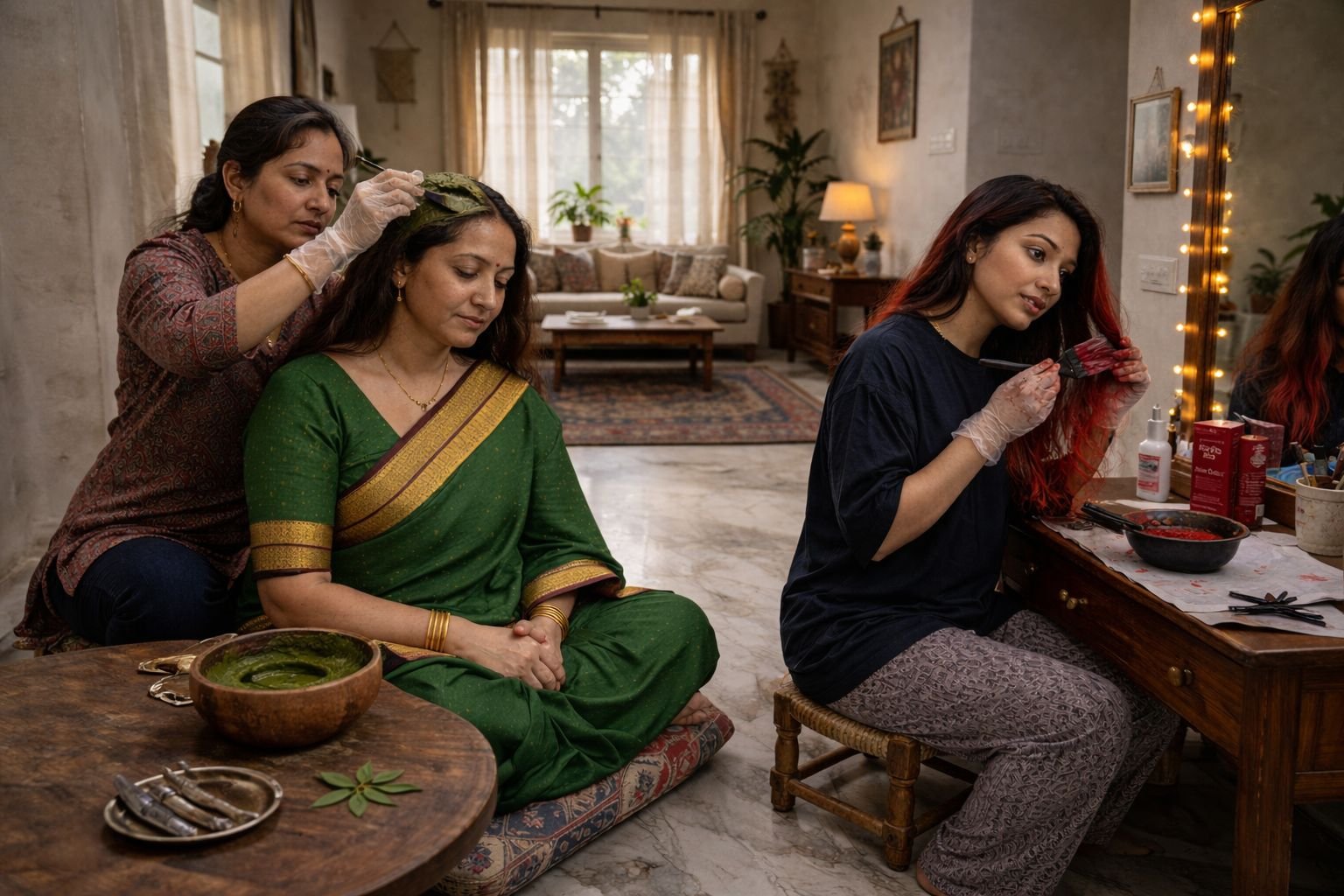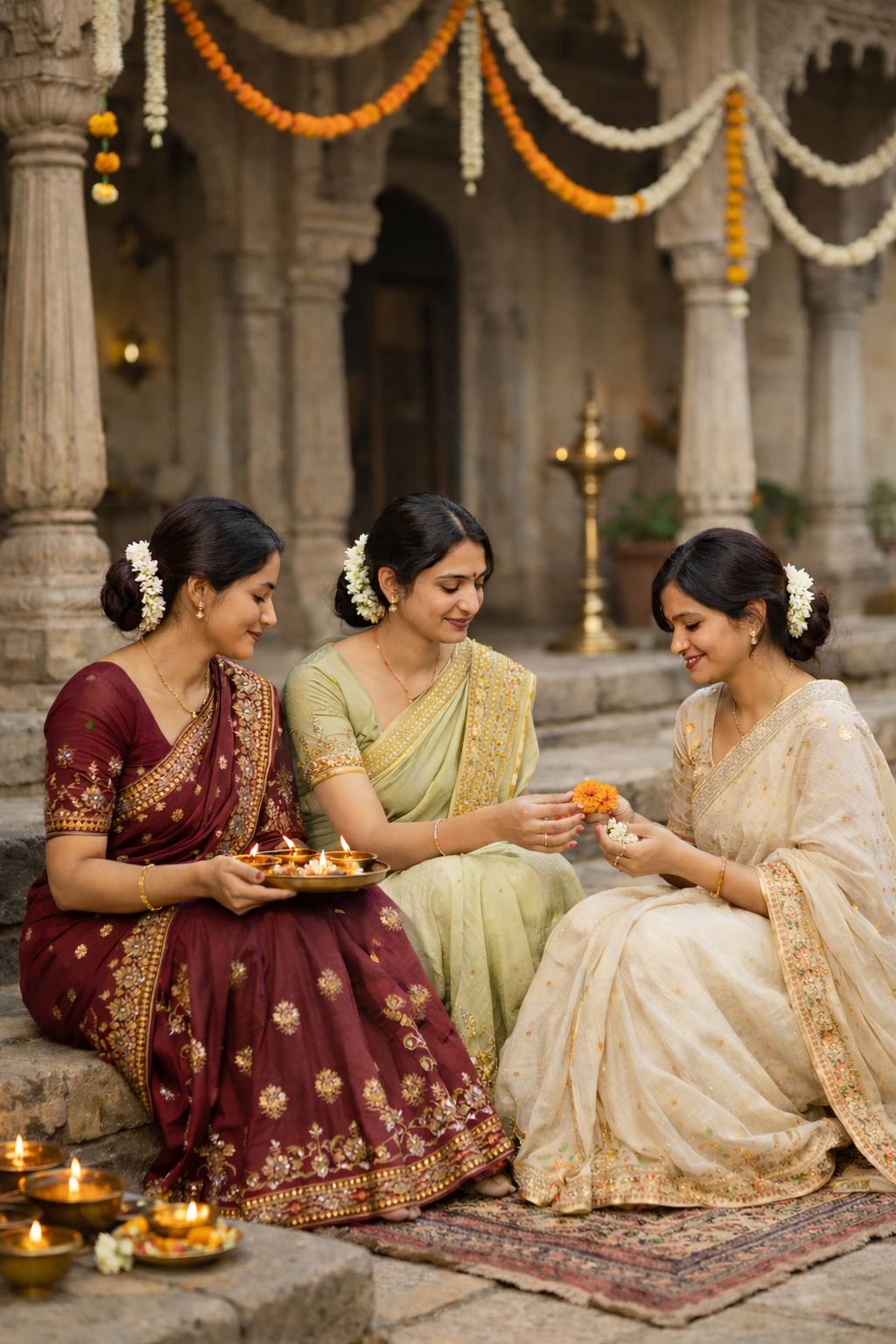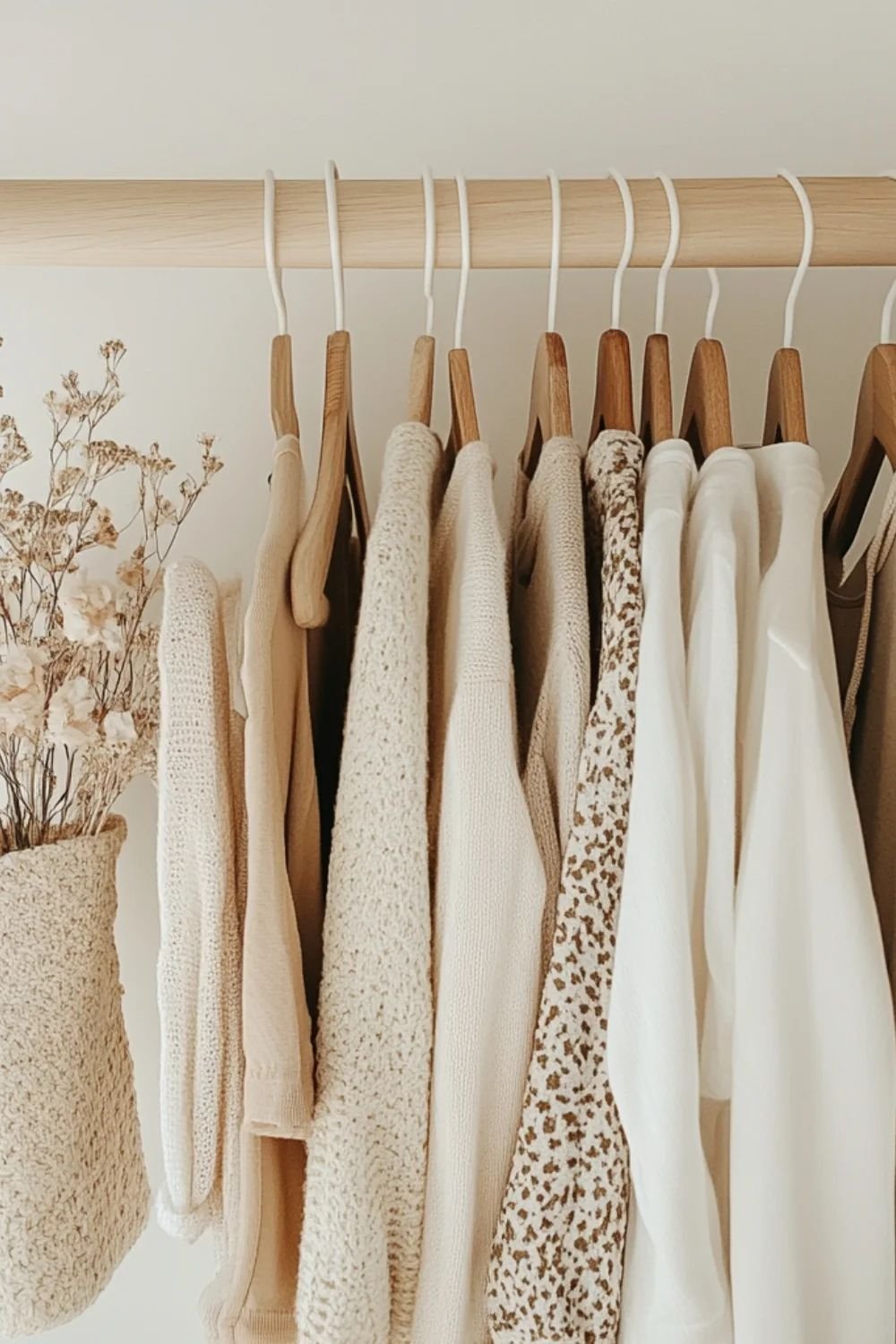
There is something oddly unfair about the way outfit repeating is treated today. We buy clothes with so much excitement, spend time choosing what suits us, style them carefully, imagine ourselves wearing the outfit and then wait for the right day to wear it and to click pictures in them, then quietly place them at the back of the wardrobe as if their purpose has already been served. Somewhere between fashion trends, social media pressure and the fear of being noticed too closely, repeating an outfit has started feeling like a mistake when in reality, it should feel completely normal.
Most of us are not afraid of the outfit itself. We are afraid of the judgment attached to it. The hesitation often does not come from disliking what we wore but from the thought that someone might remember it. That quiet discomfort has less to do with fashion and more to do with perception. We begin to believe that wearing something twice means we are not stylish enough, when true style has never been about constant newness. It has always been about how you carry what you already own.
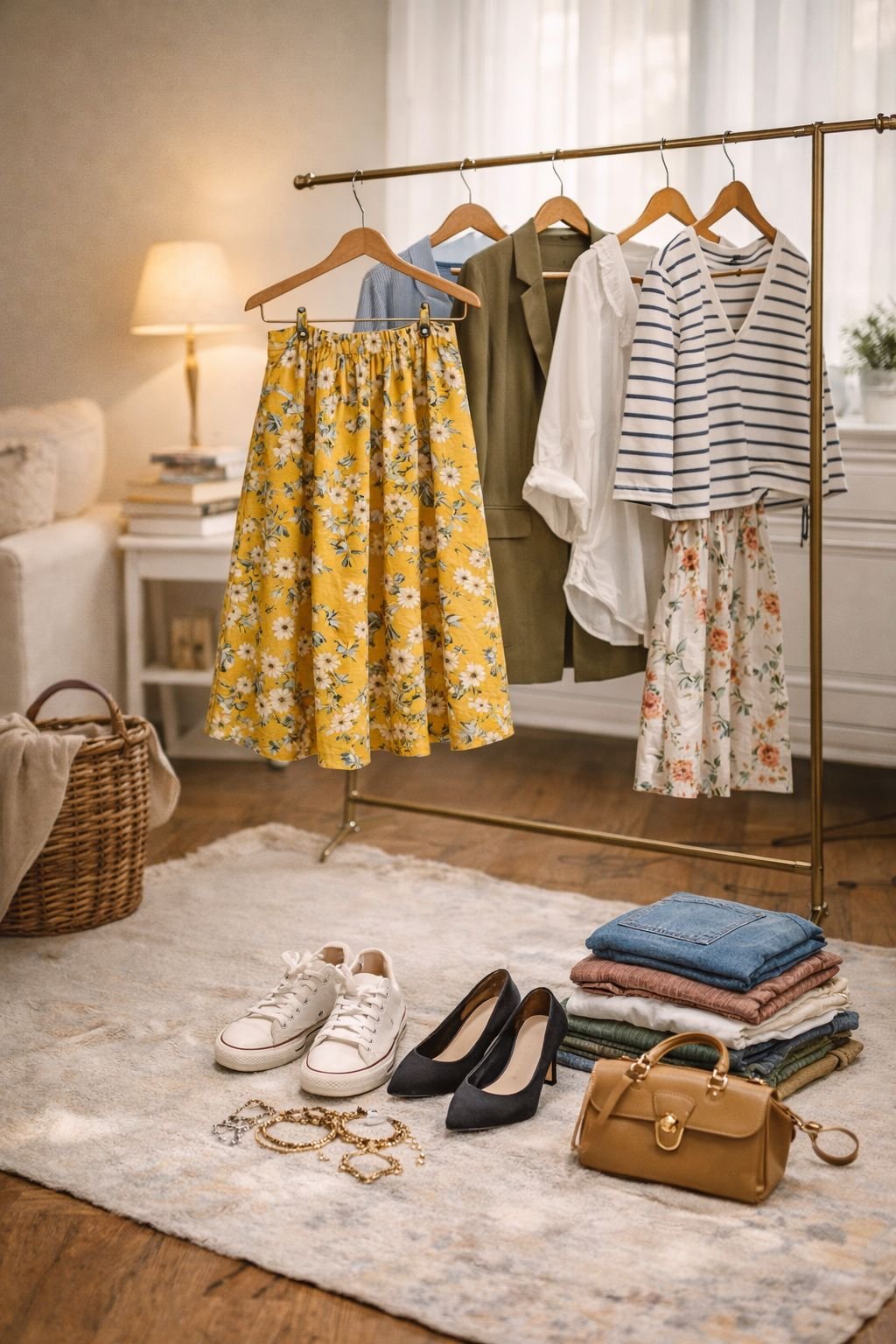
An outfit does not lose its charm just because it has been worn before. In fact, the beauty of fashion lies in its versatility. The same skirt can look soft and playful with a floral top for a picnic brunch and effortlessly refined when paired with a crisp shirt for a more formal setting. A basic dress can feel entirely different with sneakers one day and layered jewellery the next. Repeating clothes does not mean repeating the same version of yourself. It simply means giving your wardrobe more imagination.
What matters far more than novelty is comfort and confidence. When a person feels at ease in what they are wearing, it shows before anything else does. Clothes are not just fabric stitched into trends. They are often an extension of mood, identity and personal expression. If something makes you feel put together, secure and genuinely like yourself, then that outfit deserves more than one outing.
Normalising outfit repeating is also a much-needed shift toward mindful fashion. A sustainable wardrobe is not built by endlessly buying more but by owning pieces that can be styled in multiple ways and worn across different occasions. That approach is not boring. It is intelligent, practical and far more personal than blindly following every passing aesthetic.
Perhaps the problem was never in repeating outfits. Perhaps the problem was in how we were taught to look at them. Clothes are meant to be lived in, not retired after a single appearance. So yes, repeating outfits should be normalised because style is not about how often something is seen, but about how authentically it is worn.