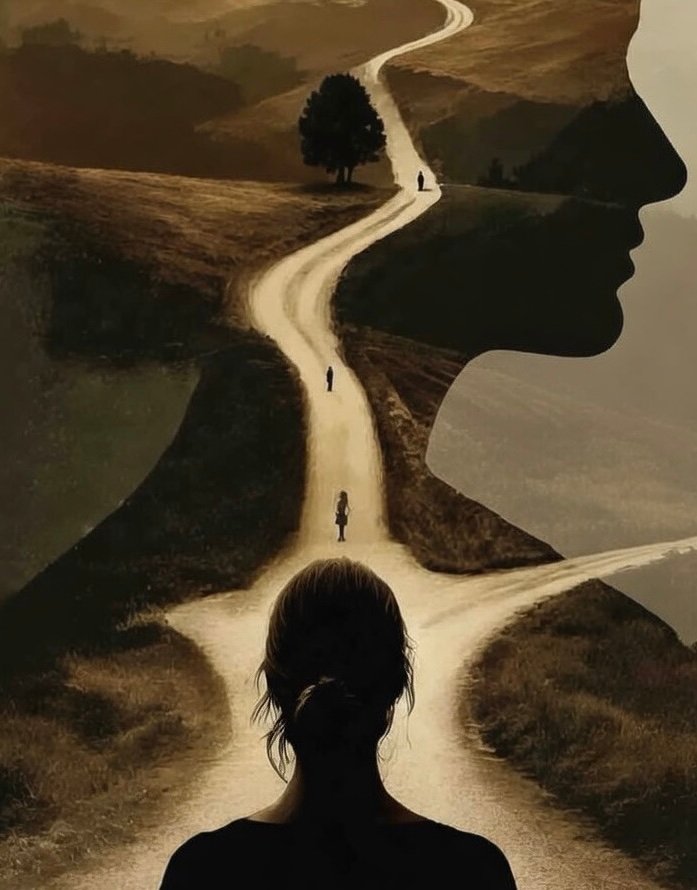

Freedom is one of those words that sounds light until you actually start carrying it. We chase it like a promise. Freedom to choose, freedom to leave, freedom to live on our own terms. Somewhere along the way, freedom became equal to doing everything alone. And slowly, quietly that idea started to tire us out.
We say we want independence but what we often mean is relief. Relief from being controlled, misunderstood or disappointed. Freedom begins as a response to pain but it grows out of moments where depending on others feels unsafe, unstable or unfair. So we learn to stand alone. We learn to rely on ourselves. And for a while, it feels powerful.
"But power has weight."
Having the liberty to make every decision sounds beautiful until every decision rests only on you. There is no shared burden,borrowed strength or anyone to lean into when the day feels heavier than expected. The choice becomes overwhelming and sound becomes loud. The independence that once felt empowering now starts to feel like emotional overwork.
Living alone has been romanticised deeply in our digital world. The idea that solitude equals peace has been repeated so often that we stopped questioning it. We started believing that healing requires isolation, growth demands distance, self-love means self-sufficiency at all costs. But humans were never designed to grow in complete emotional isolation. We are relational by nature, even when we pretend not to be.
There is a quiet paradox here. We crave freedom, yet we long for connection. We want space but we also want someone to notice when we withdraw. We want autonomy but we ache for belonging. The exhaustion does not come from being alone itself. It comes from forcing loneliness to pass as strength.
Hyper-independence often hides old wounds. The constant “I don’t need anyone” or “I can do it myself” is rarely about confidence. More often, it is about trust that was broken too many times. When depending on people once led to disappointment or hurt, self-reliance becomes a shield. But shields, when worn for too long, become cages.
There is no weakness in wanting people. There is no failure in admitting that solitude, when stretched endlessly can feel hollow. If being around someone brings peace instead of chaos and if your mind feels lighter with your emotions having the area to breathe easier that is not dependency. It is just alignment.
We do not need to earn connection by proving how independent we are. We are allowed to want both freedom and closeness. We are allowed to build lives where autonomy coexists with affection and strength makes room for softness.
Maybe the real question is not why we feel exhausted being alone but why we convinced ourselves that exhaustion was the price of freedom. And maybe real freedom begins the moment we stop punishing ourselves for wanting people.
Because freedom was never meant to feel lonely.