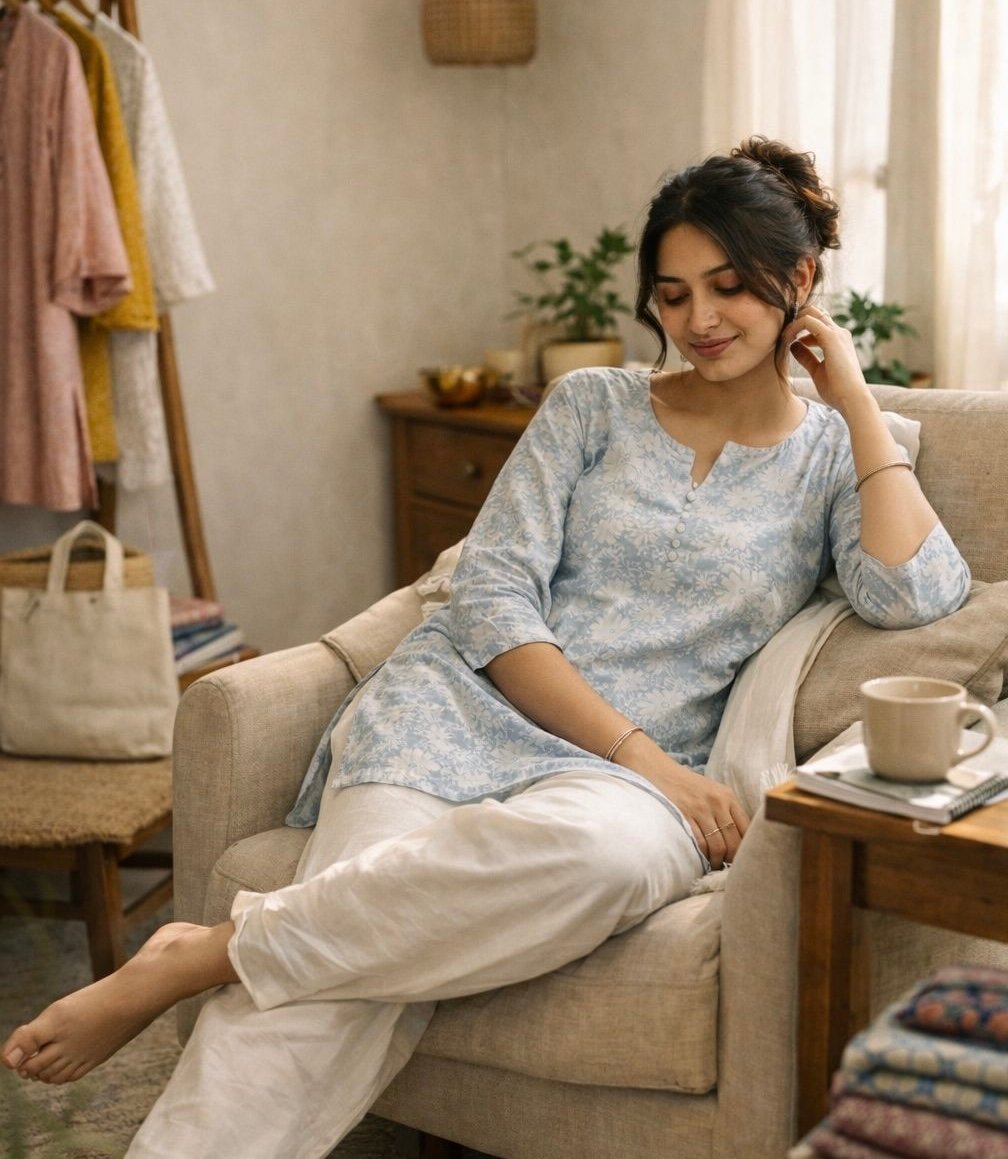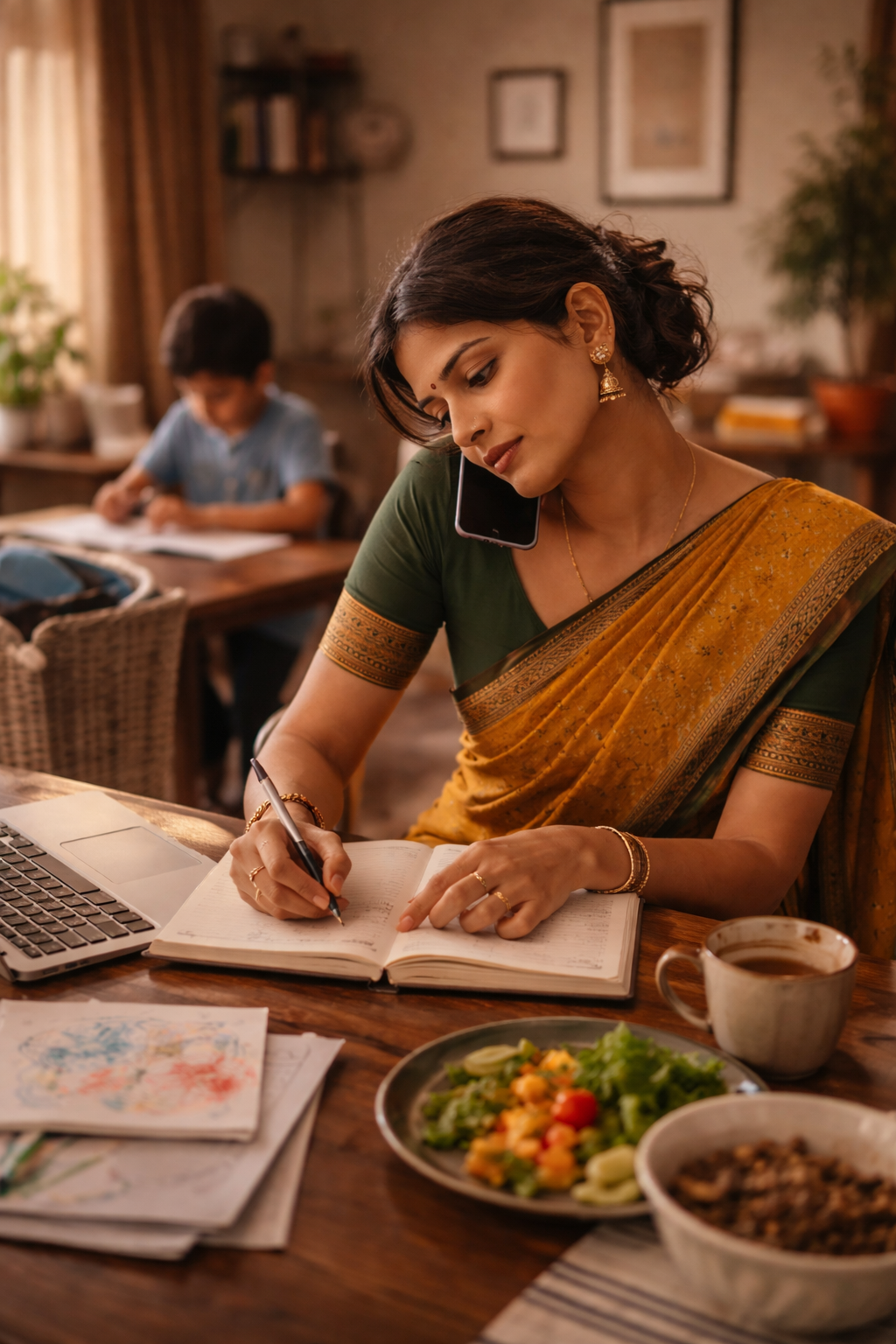
Across modern design conversations, minimalism is often presented as the highest form of sophistication. Clean lines, muted palettes and deliberate restraint are framed as markers of progress. As this aesthetic continues to dominate global spaces, it quietly raises a contradiction. Why is India, a civilisation built on abundance and expression being asked to shrink itself into neutrality?
Indian culture has never thrived on silence or absence. Expression here has always been layered, intentional and unapologetically visible. Maximalism in India is not decorative excess. It is a language shaped by history, craftsmanship and emotion.
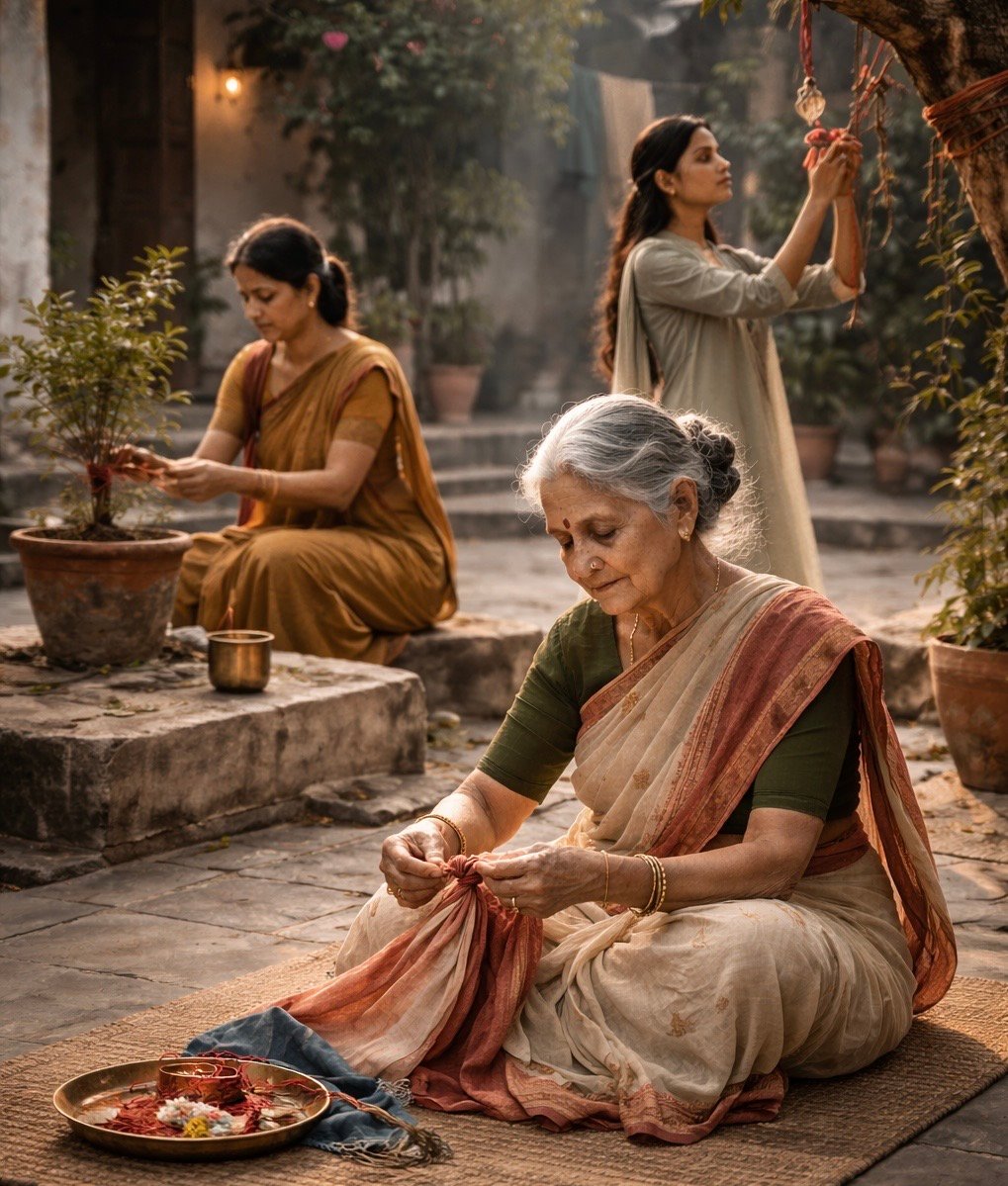
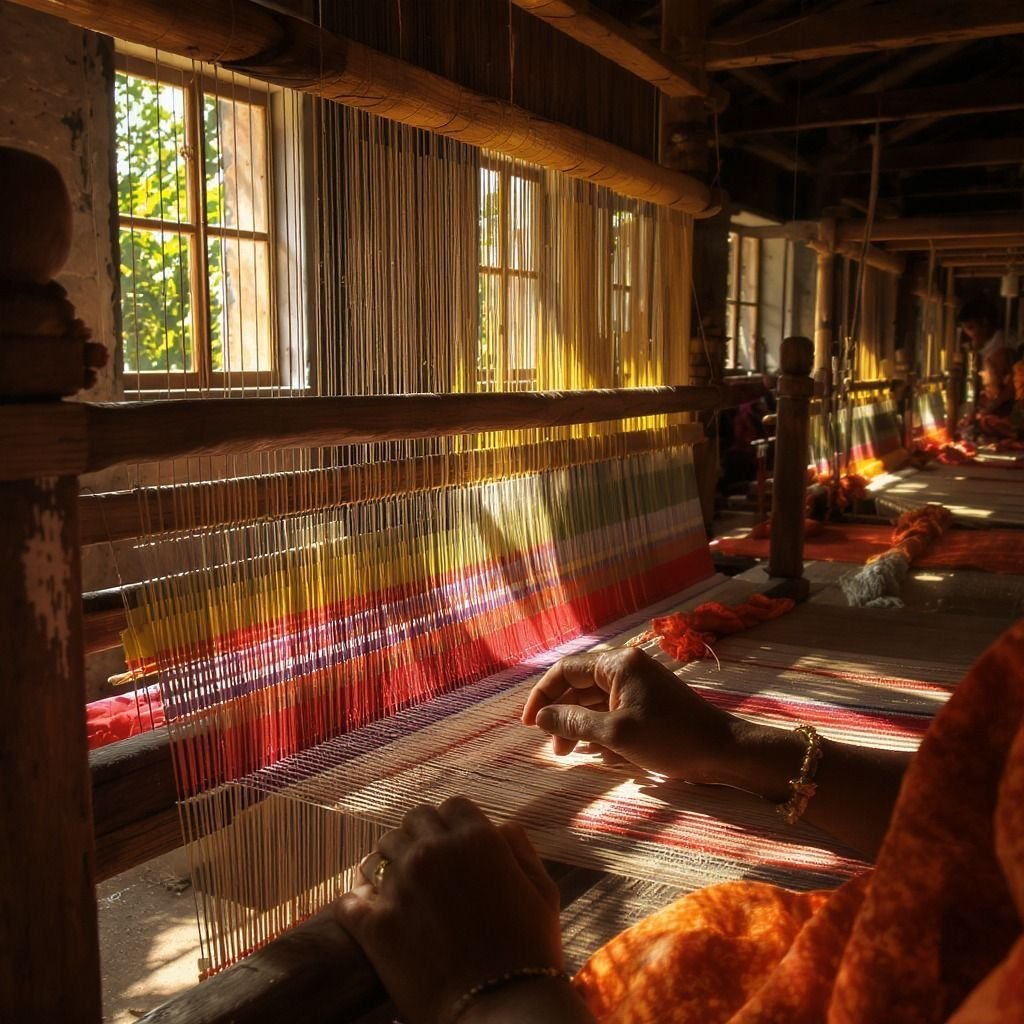
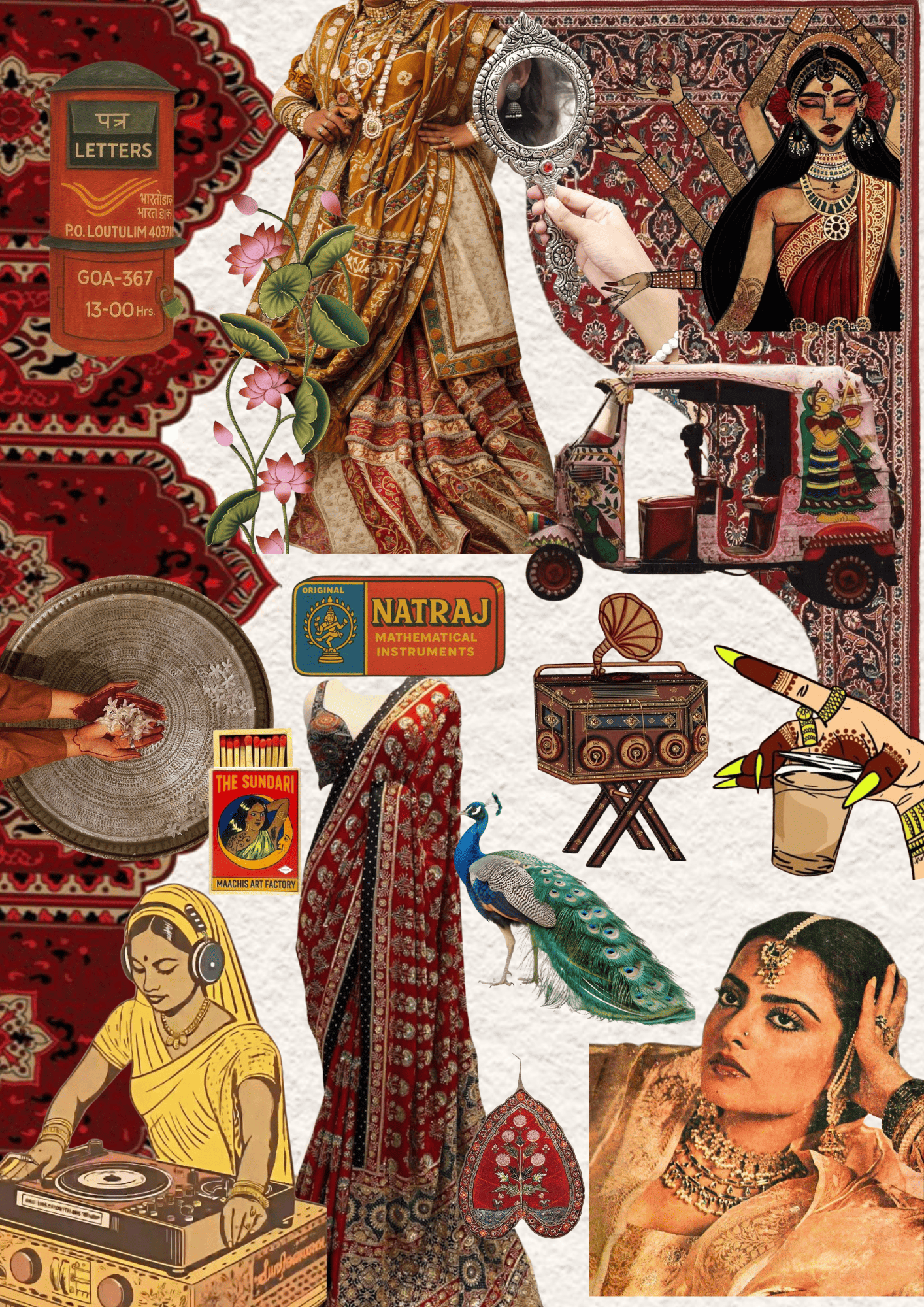
Traditional attire offers the clearest reflection of this philosophy. Indian garments are narratives in fabric form. Embroidery is not ornamental alone but archival. Jewellery is not minimal by design but symbolic in presence. Each piece reflects lineage, celebration and identity. Restraint was never the objective because meaning was.
Architecture echoes the same belief. Temples, heritage homes and public spaces were designed to engage the eye and the spirit. Carvings, motifs and intricate detailing filled walls with stories rather than leaving them bare. These structures were not meant to feel empty or sterile. They were meant to feel inhabited by culture.
Everyday India continues this visual dialogue effortlessly. Roads unfold as moving galleries. Trucks carry poetry, autos wear hand-painted graphics and buses arrive layered with colour and typography. Roadside shops speak through handwritten boards, stacked textures and vivid signage. This visual density does not overwhelm but rather energises.
What many now label as a “Pinterest aesthetic” has existed here long before digital curation. Matchboxes, wallets, packaging, street signs and small utilitarian objects reflect design instincts rooted in boldness and clarity. Even the smallest items are allowed personality.
Cultural expression through music, dance and performance follows the same rhythm. Classical dance forms communicate through elaborate costumes, expressive makeup and layered movements. Hands alone convey centuries of storytelling. Every detail amplifies meaning.
The rise of minimalism often stems from a desire for calm through uniformity. Indian sensibilities, however, find balance through contrast. Harmony here is not created by erasure but by coexistence.
This is not a rejection of simplicity. It is a reminder that simplicity does not demand silence. When minimalism is adopted without context, it risks flattening cultural identity into something generic and borrowed.
Maximalism in India is not excess. It is memory, movement and meaning woven together. Perhaps the real question is not why India is moving toward minimalism but why the world is only now recognising the beauty of what India has always practiced naturally.