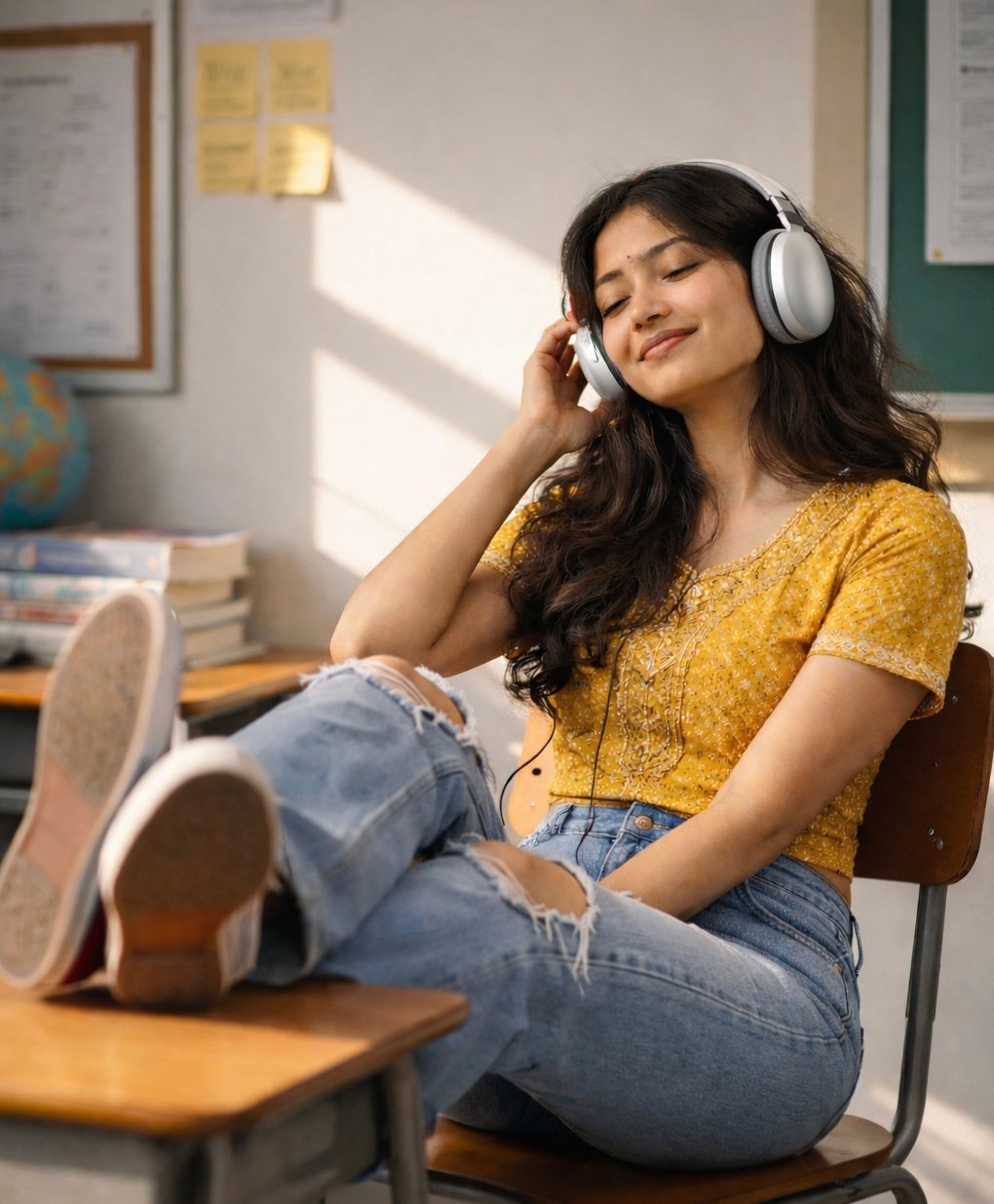
Do you know that you are often assessed long before you introduce yourself. Not through conversation or conduct but through the quiet choices sitting inside your playlist. Music has become a subtle declaration of identity and people read it with surprising confidence.
Songs are rarely accidental. They are selected with intention even when we are unaware of it. A person gravitates towards certain sounds or music because it resonates with an inner rhythm. The kind of music you return to always reveals how you process emotion or how you seek comfort and how you assert confidence. Over time this repetition forms a fingerprint that feels unmistakably personal.
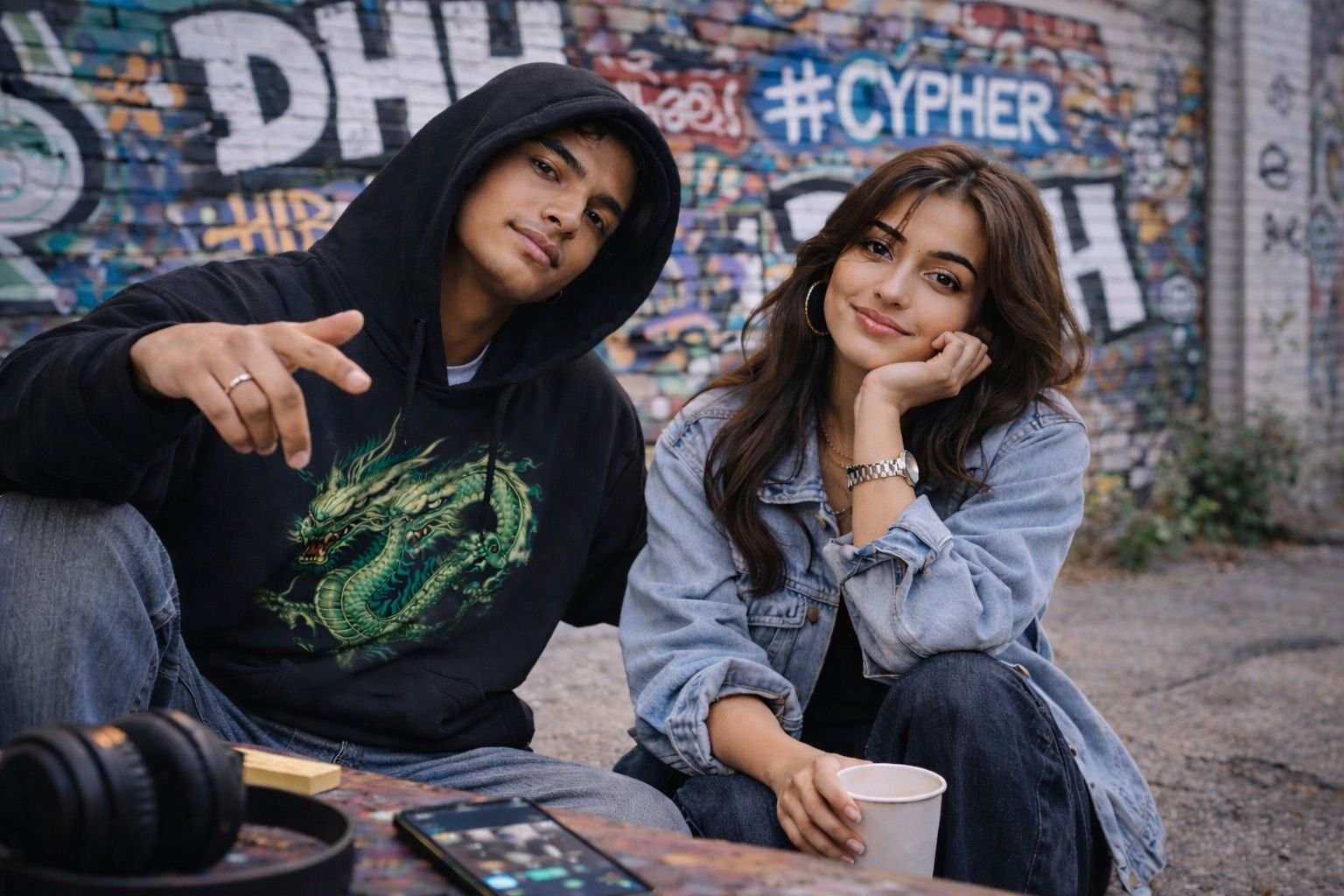
Your listening habits also influence expression beyond emotions and the style absorbs sound. For an instance, the people immersed in DHH culture reflect it in their clothing through relaxed silhouettes, bold layering and unapologetic streetwear. The music carries a raw assertiveness that translates into how people dress and carry themselves. What begins as admiration for an artist or the music often evolves into adopting an entire aesthetic shaped by the values that music represents.
Your mood plays a defining role here. There are tracks that feel like armour on difficult days while others can act as quiet companions during moments of stillness. Your playlist shifts with emotional states and in doing so as they narrate a story of growth, restlessness, ambition or introspection. This fluidity is what makes music such an intimate marker of personality.
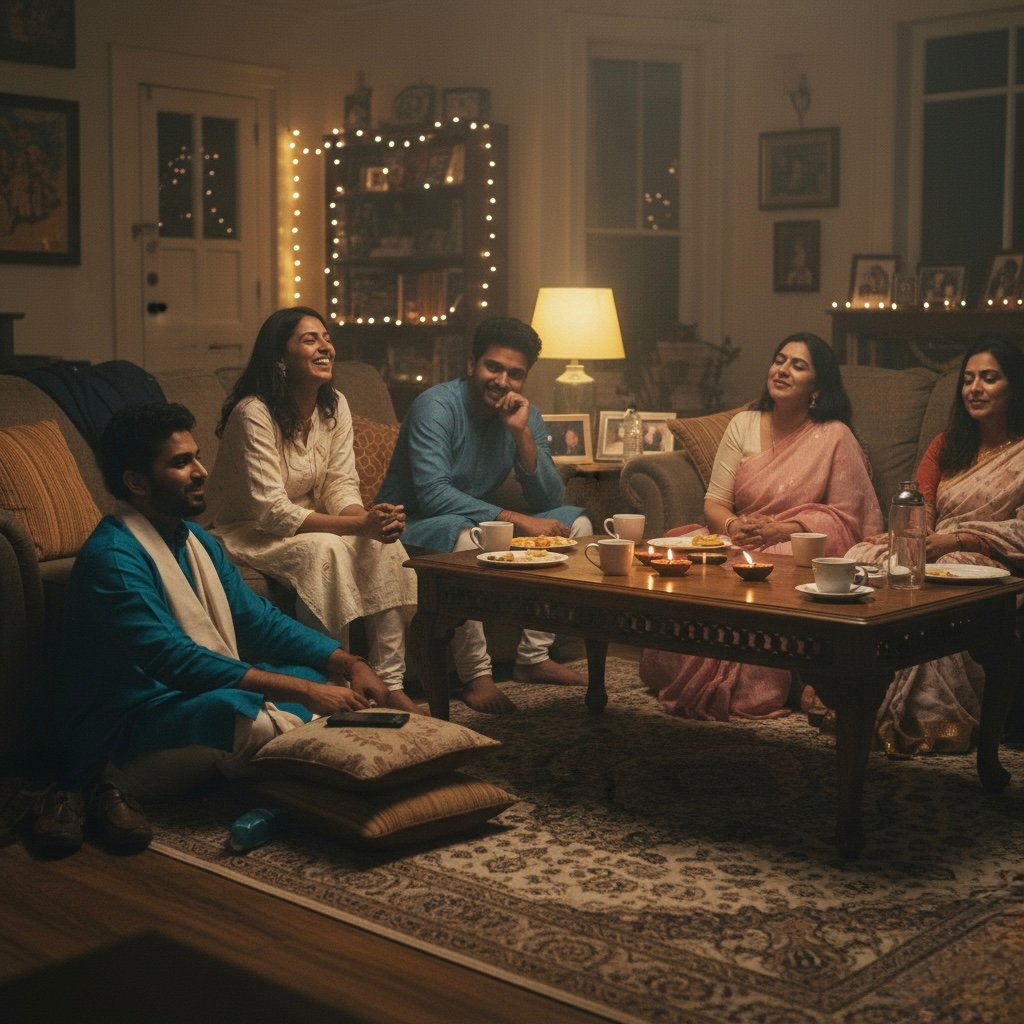
Apart from how your personality is shaped by the music, there exists a noticeable generational divide in musical taste. The songs our parents cherish were built on elaborate melodies and lingering emotions. And today the soundscape moves faster merging genres and moods within minutes. There is a quite big change in how people cater more to fast and rap songs. This contrast is not about superiority but about context. Each generation listens through the lens of its lived reality and that difference is often misunderstood as rebellion rather than evolution.
The judgement around music taste feels inevitable now. People are no more keeping their playlist private. It is an open archive of feeling, taste and influence. People even vibe more if their music tastes or the favourite genre matches. Yet within that judgement lies truth. Music reflects who you are in moments when language fails. It captures versions of the self that are still forming.
A playlist does not define your entire personality but it reveals fragments that are honest and unfiltered. Perhaps that is why it invites scrutiny. In a world obsessed with decoding people quickly, music speaks first and it speaks without hesitation.